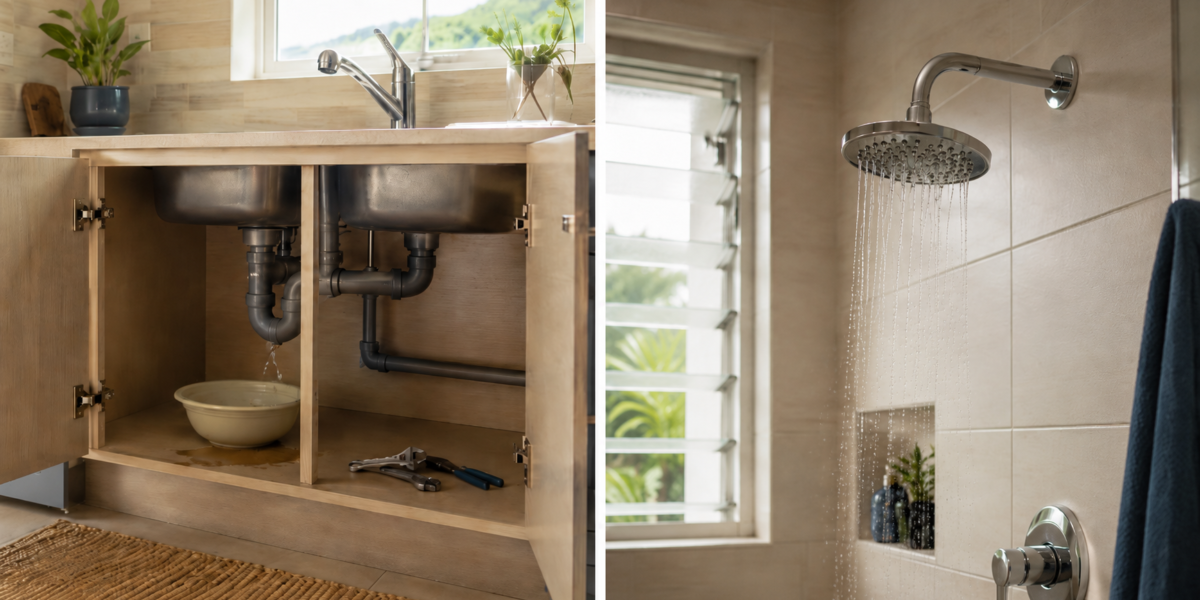
A dripping tap can sound harmless during the day. At midnight, it becomes a tiny drummer determined to disturb your sleep. When water misbehaves, your home usually provides several clues before a bigger problem develops. You may notice a damp cupboard, weak shower pressure, strange noises, or an unexpectedly high water bill. These warning signs could reveal plumbing problems in Jamaica homes that require timely attention.
Some issues are easy to manage, while others require an expert with proper tools and experience. Knowing the difference can save you time, money, and one very soggy afternoon. Plumbing problems can affect homes in busy neighbourhoods and quieter communities across Jamaica. Heat, heavy rain, aging pipes, and changing water pressure can all contribute to household trouble.
The good news is that most plumbing problems can be corrected when you respond early. You simply need to recognize the warning signs and choose the right next step.
That Tiny Leak May Be Saying Something
A leaking pipe rarely begins with a dramatic burst or a living room resembling a swimming pool. It usually starts with a small clue that is easy to ignore. You might see a water stain under your kitchen sink. You could also notice dampness around the toilet or behind an appliance. Sometimes, you will smell the problem before you see it. A musty odour may suggest water is collecting inside a cabinet, wall, or floor.
Paint may bubble when moisture becomes trapped beneath the surface. Wooden cupboards can swell, and tiled areas may remain wet without an obvious cause. These clues should not send you into panic mode. However, they should encourage you to investigate before the damage spreads. Place a dry cloth beneath the suspected area and check it later. This simple test can confirm whether water is actively leaking. You can also inspect visible pipe joints with a flashlight. Look for droplets, rust, mineral deposits, or dark patches around each connection.
Never open walls or remove fixed plumbing unless you understand the system. Hidden pipes can be damaged easily, making a simple leak much worse. If water is flowing quickly, close the nearest shutoff valve. You may also need to close your home’s main water supply. After controlling the water, contact a qualified plumber. Quick action can protect your flooring, furniture, walls, and valuable electrical equipment.
Why Has Your Water Pressure Disappeared?
Low water pressure can turn a refreshing shower into a disappointing drizzle. It can also make washing dishes feel like an endurance event. The cause may be simple, especially when only one tap is affected. A blocked faucet aerator can reduce flow without affecting other fixtures. You can carefully remove the aerator and check for dirt or mineral buildup. Cleaning it may restore normal pressure within minutes.
A clogged showerhead can create a similar problem. Mineral deposits may block the small openings and restrict the water. However, low pressure throughout your home may suggest a larger issue. Possible causes include a hidden leak, damaged pipe, or supply problem.
Ask whether nearby homes are experiencing the same issue. If they are, the problem may involve the local water supply. If your neighbours have normal pressure, check every tap inside your home. This helps determine whether the problem affects one area or several.
Pay attention to sudden pressure changes. A fast drop can indicate a broken pipe or another problem requiring urgent home repairs. Pressure that gradually worsens may come from buildup inside older pipes. Corrosion can narrow the available space and reduce water flow. An expert can test the plumbing system and locate the cause. This approach is safer than replacing fixtures and hoping one solves the problem.
Common Plumbing Problems Around Your Home
Your kitchen, bathroom, laundry area, and outdoor spaces can each develop different plumbing problems. Learning the common signs makes troubleshooting much easier.
A slow kitchen drain may contain grease, food particles, or soap residue. Pouring more grease into it will certainly not improve matters. Avoid forcing sharp objects down the drain. You could damage the pipe or push the blockage deeper into the system.
A toilet that keeps running can waste considerable water over time. The cause may involve the flapper, float, chain, or fill valve. You may hear the toilet refilling when nobody has used it. That sound suggests water is escaping somewhere inside the tank. A blocked toilet may respond to careful plunging. Repeated blockages could indicate a deeper obstruction requiring professional equipment.
Gurgling drains should also get your attention. Trapped air may be struggling through a blockage inside the drainage system. Several slow drains can suggest a problem beyond one sink. In that situation, contacting experienced plumbers is usually the sensible choice.
Outdoor taps can develop leaks around handles or connectors. These leaks may create muddy areas, attract insects, and increase water usage. Water heaters also deserve regular attention. Rusty water, unusual noises, or inconsistent temperatures can signal developing trouble.
Never attempt electrical water heater repairs without suitable training. Water and electricity are not friendly teammates.
When Can You Handle the Problem Yourself?
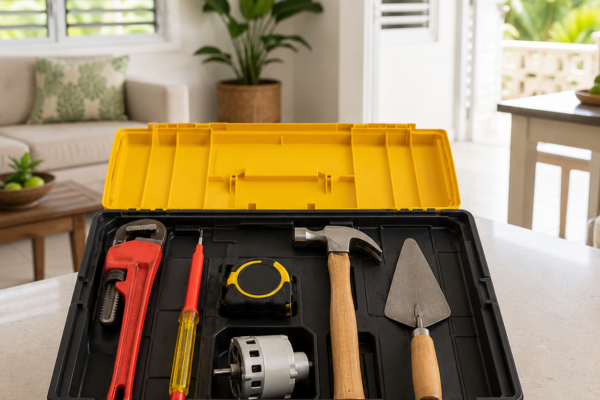
You do not need a plumber for every loose tap handle. Some small tasks are safe when you have basic tools and reliable instructions.
You can clean a faucet aerator, replace a simple showerhead, or use a plunger carefully. You may also tighten an accessible connection that has become slightly loose.
Always close the relevant water valve before touching a connection. Keep a bucket and several towels nearby because surprises enjoy poor timing. Stop if the fitting feels stuck, cracked, or badly corroded. Extra force can turn a minor repair into an expensive emergency.
Chemical drain cleaners may seem convenient, but they can damage certain pipes. They can also create dangerous conditions for anyone repairing the drain later. Never mix different cleaning products. The resulting fumes or chemical reactions can cause serious harm.
You should call an expert when water enters walls, ceilings, floors, or electrical areas. You should also get help when leaks return after temporary repairs. Burst pipes, overflowing sewage, and repeated toilet blockages require professional attention. These problems can affect your health and damage the property quickly.
Knowing when to stop is not admitting defeat. It means you are protecting your home from an enthusiastic but unsuccessful repair attempt.
Choosing the Right Plumber in Jamaica
Finding the right professional involves more than calling the first available number. You want someone whose experience matches your particular plumbing problem. Describe the issue clearly before arranging the visit. Mention the affected fixture, visible damage, unusual sounds, and when the problem began.
Ask whether the plumber has handled similar work. Someone experienced with blocked drains may use different equipment from someone installing water tanks. You should also request an explanation of the expected charges. Ask about inspection fees, labour, materials, transportation, and possible additional work. A useful estimate should describe what the professional expects to repair. However, hidden problems may only become clear after an inspection.
Confirm who will purchase the replacement materials. This prevents confusion about brands, quantities, prices, and delivery arrangements. You can also ask about the expected completion time. Some repairs take one visit, while others require parts or additional testing.
Searching online for “home repair services in Jamaica” may produce many choices. The challenge is comparing those choices without becoming overwhelmed. ConnectToPros.com can help you explore plumbers and other service providers by category and location. You can compare available information before deciding who suits your needs.
The goal is not choosing the cheapest person automatically. You want dependable work, clear communication, and a solution that lasts.
Prepare Before Your Plumber Arrives
A little preparation can make the service visit faster and easier. Start by clearing everything around the affected sink, toilet, appliance, or pipe. Remove cleaning products, storage containers, rugs, and personal items. Your plumber will have more room to inspect and work safely.
Take photographs of visible leaks or damage. Photos can be helpful when the problem appears only at certain times. Write down any recent changes you noticed. Include unusual sounds, smells, pressure changes, water stains, and previous repair attempts.
If possible, locate your main water shutoff valve before an emergency occurs. You do not want to begin that search during indoor rainfall.
Keep children and pets away from the work area. Tools, open drains, wet floors, and repair materials can create unnecessary hazards.
Ask questions while the plumber explains the problem. You deserve to understand what failed, how it will be repaired, and what happens next.
Keep your invoice and any warranty information after completion. These records can help if the same issue returns later.
Simple Ways to Prevent Future Plumbing Trouble
You cannot prevent every plumbing surprise. However, a few habits can reduce avoidable repairs and extend the life of your system.
Avoid putting cooking oil, coffee grounds, or food scraps down the kitchen sink. These materials can collect inside pipes and create stubborn blockages. Use drain strainers to catch hair and debris. Empty them regularly before they become tiny household science projects. Check beneath sinks every few weeks. Early moisture is much easier to manage than swollen cupboards and damaged flooring.
Do not ignore a toilet that moves when you sit. A loose base may damage the seal and allow water to escape. Watch your water bill for unexplained increases. Higher usage can reveal a hidden leak before visible damage appears.
Inspect outdoor pipes after storms or yard work. Falling branches, tools, and shifting soil can damage exposed plumbing. Schedule professional maintenance when your system is old or repeatedly troublesome. Preventive attention may uncover worn parts before they fail.
Home repairs feel less stressful when you understand the warning signs. You can respond calmly, protect your property, and avoid unnecessary damage. When a plumbing problem exceeds your skills, let a qualified professional take over. Explore plumbers on ConnectToPros.com and compare service providers serving communities across Jamaica.
Your pipes may never thank you directly. Still, a quiet tap, strong shower, and dry floor are excellent signs of gratitude.