Home repairs rarely announce themselves with a polite appointment request. Instead, a pipe drips, a light flickers, or a door refuses cooperation. You may know something is wrong without knowing who should fix it. Should you call a plumber, electrician, carpenter, mason, contractor, or appliance technician?
Choosing the right professional can save you time and prevent unnecessary work. It can also stop a small problem from becoming expensive. The easiest approach starts with the symptoms. Look at what changed, where it happened, and whether anyone faces immediate danger.
You do not need to diagnose the entire problem yourself. You only need enough information to contact the most suitable expert.
This guide to Jamaica home repairs covers four common problems. It also connects you with detailed guidance for each situation.
First, Decide Whether the Problem Is Urgent
Before choosing a professional, determine whether your home is safe. Some repairs can wait, while others need immediate attention.
Water near electrical equipment creates an urgent situation. Keep your distance and never touch breakers, outlets, or equipment while wet. Smoke, sparks, burning smells, and exposed wires also require prompt action. Keep everyone away from the affected area. A rapidly spreading leak can damage walls, floors, furniture, and electrical systems. Close the nearest water valve if possible.
A leaning wall or sagging ceiling should never become tomorrow’s problem. Leave the affected area and seek professional guidance. If you smell gas, leave the property immediately. Do not operate switches, unplug equipment, light flames, or attempt repairs.
Contact emergency assistance from a safe location. Keep other people away until qualified assistance arrives. Do not risk injury while trying to protect furniture or appliances. Your belongings are important, but your safety comes first. Once the immediate danger is controlled, photograph visible damage from a safe distance. These images may help the professional prepare.
Plumbing Problems: Call a Plumber
Water has an impressive ability to appear where it was never invited. You may find it beneath sinks, behind toilets, or inside cupboards.
A plumber handles water supply pipes, drains, toilets, taps, water heaters, and many related fixtures. They can locate leaks and restore proper flow. You should call a plumber when a leak continues after tightening an accessible connection. Repeated blockages also deserve professional attention.
Low water pressure throughout your home may indicate a hidden leak or supply issue. One weak tap may have a simpler cause. Record which fixtures have poor pressure. Tell the plumber whether hot water, cold water, or both are affected.
A slow drain in one sink may involve a local blockage. Several slow drains may point toward a deeper drainage problem. Avoid pouring random chemicals into blocked drains. Some products can damage pipes or create hazards for the plumber.
You should also mention unusual sounds. Gurgling, banging, or whistling can provide useful clues about your plumbing system. For more guidance, read Plumbing Problems in Jamaica. It explains warning signs, safe checks, and professional repair options.
Before the plumber arrives, clear items from the affected area. Keep towels and a container nearby for remaining water.
Electrical Trouble: Call an Electrician
Electricity should make your life easier without creating special effects. Flickering lights, buzzing outlets, and repeated breaker trips deserve attention. An electrician handles wiring, outlets, switches, lighting circuits, electrical panels, and other connected systems. They can test problems using suitable equipment.
One flickering bulb may simply need replacement. Several flickering lights could suggest a circuit or household supply problem. Notice whether the lights change when a large appliance starts. Air conditioners, pumps, and refrigerators can place demand on circuits.
A warm outlet or burning smell is never a casual home repair. Stop using the affected connection and seek professional help. You should also call an electrician after repeated breaker trips. A breaker protects your home by interrupting unsafe electrical conditions. Never force a breaker to remain on. That shortcut removes an important safety feature and leaves the original problem unresolved.
Electrical repairs require knowledge beyond matching wire colours. Hidden faults can remain dangerous after an incorrect repair appears successful. Learn more in Electrical Warning Signs in Jamaica. The guide covers sounds, heat, sparks, dimming, and safe responses.
Before booking, explain every warning sign clearly. Mention affected rooms, connected appliances, unusual smells, and recent electrical changes.
Cracked Walls and Sticking Doors: Choose Carefully
A wall crack can look frightening, especially when it appears overnight. However, different cracks require different types of professionals.
A carpenter usually handles wooden doors, frames, cabinets, trim, and similar fittings. They can correct swelling, scraping, loose hinges, or damaged wood. A mason works with blocks, concrete, mortar, plaster, and related surfaces. They may repair damaged walls or rebuild cracked sections.
A contractor becomes useful when several trades must work together. Larger repairs may involve carpentry, masonry, plumbing, electrical work, and finishing. A structural engineer evaluates building movement, stability, and safety. You may need one when damage suggests a deeper structural concern.
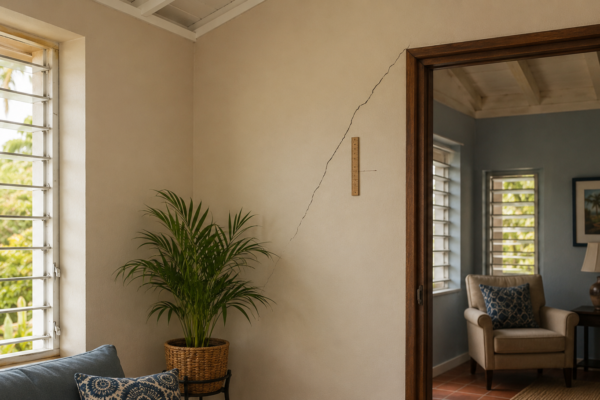
The location and behaviour of a crack provide useful information. A thin surface crack may differ from one growing rapidly. Look for leaning walls, uneven floors, widening gaps, or several sticking doors. These combined signs deserve professional assessment.
Do not patch every crack before the inspection. Fresh filler can hide information about the crack’s direction and size. Photograph the area and monitor visible changes. Place a ruler beside the crack to create a clear size reference. Do not monitor the problem instead of seeking help when walls lean, floors sag, or cracks grow quickly.
Leave unsafe areas and request an urgent structural assessment. Keep other people away until the area has been evaluated. Read Wall Cracks and Structural Warning Signs for more guidance. It explains when to contact each building professional.
Broken Appliances: Call an Appliance Technician
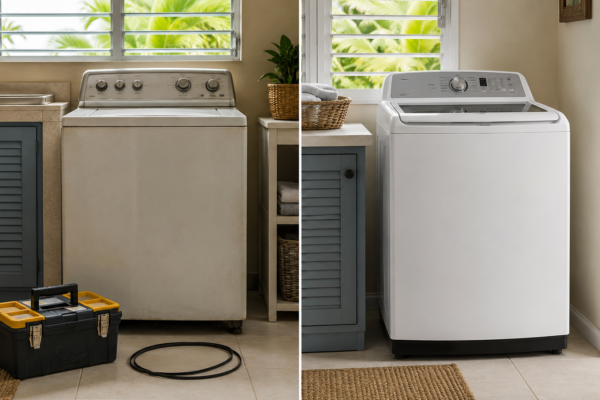
A broken appliance can disrupt your entire routine. Refrigerators, washing machines, ovens, and air conditioners rarely fail at convenient times. An appliance technician can diagnose mechanical, electrical, and control problems inside household equipment. Their assessment can guide your next decision.
Start by checking the plug, settings, and visible connections. A simple setting change can sometimes imitate a serious breakdown. Record any error code displayed by the appliance. You should also describe leaks, smells, sounds, or performance changes.
Do not remove panels or touch internal wiring. Many appliances contain electrical parts that remain dangerous without proper handling. You should consider the appliance’s age and repair history. One small repair may provide several more years of useful service.
Repeated failures can make replacement more practical. Parts availability and energy use may also influence your decision.
Ask the technician for a clear diagnosis before approving work. You should understand the failed part, repair cost, and likely reliability afterward. The guide Repairing or Replacing Broken Appliances provides a complete decision process. It covers costs, safety, efficiency, and parts availability. Keep the model number and purchase information nearby. These details can help the technician identify suitable replacement components.
What If You Cannot Identify the Problem?
Sometimes, one symptom can have several possible causes. A damp wall could involve plumbing, roofing, drainage, or building damage. A burning smell might come from an appliance, outlet, or damaged wire. Sticking doors could result from moisture or structural movement. Start by identifying the exact location. Then note when the problem occurs and what makes it better or worse.
Describe observations instead of offering a confident diagnosis. Saying “water appears after rain” is more useful than guessing about pipes. Photos and short videos can also help. Capture sounds, leaks, flickering, or visible movement only when doing so is safe.
Contact a professional whose skills match the most obvious symptom. Explain that you are uncertain about the underlying cause. A trustworthy provider should tell you when another expert is needed. Complex repairs often require cooperation between different trades.
You may need a plumber before a mason repairs a wet wall. Otherwise, the hidden leak could damage the fresh finish again. An electrician may also need to inspect wiring after water damage. Repair order matters when one problem affects another system.
Ask Better Questions Before Booking
Good questions help you compare home repair services without turning the conversation into an interrogation. Start with experience related to your problem.
Ask whether the provider has completed similar repairs. Relevant experience can be more useful than general years in business. Describe your location in Jamaica and ask about travel charges. Transportation costs may vary between communities and parishes.
You should ask whether an inspection fee applies. Confirm whether that fee contributes toward the final repair cost. Request an estimate covering labour, materials, transportation, and possible additional work. Hidden conditions may still affect the final amount.
Ask who will purchase materials. This prevents confusion about brands, quantities, quality, and delivery responsibilities. You should also confirm the expected schedule. Some repairs require one visit, while others need parts or additional trades.
Discuss warranties before work begins. Ask what the warranty covers and how long that protection lasts. Avoid choosing someone only because they offered the lowest price. Dependable work and clear communication can provide greater long-term value.
Prepare Your Home for the Repair Visit
A little preparation can help the professional work more efficiently. Clear furniture, stored items, and decorations from the affected area.
Keep children and pets away from tools and damaged equipment. Curious helpers can slow the job or enter unsafe spaces. Gather photographs, receipts, warranties, and previous repair records. These details can reveal recurring problems or earlier modifications.
Write down the symptoms before the visit. You may forget an important detail once the professional begins asking questions. Explain any temporary solution you attempted. A tightened fitting, reset breaker, or patched crack could affect the diagnosis.
Show the professional where important controls are located. These may include water valves, electrical panels, or appliance connections. Ask for an explanation after the inspection. You should understand the cause, proposed solution, cost, and expected completion time.
Keep invoices and repair notes after the work. Good records make future home maintenance easier and more organized.
Coordinate Repairs in the Right Order
Some home repairs involve more than one professional. Completing the work in the wrong order can waste materials and money. The source of damage should usually be corrected before cosmetic restoration begins. A wall should not be painted before stopping moisture.
Electrical equipment exposed to water should receive proper inspection. Reconnecting power too early can create additional danger. Structural concerns may also need assessment before doors or finishes are adjusted. Otherwise, movement could undo the new work.
Ask your contractor or primary expert to explain the repair sequence. Each stage should support the work that follows. For larger projects, create one written list of required tasks. Note the responsible professional and expected completion date.
Take photographs before, during, and after each stage. These records help you monitor progress and communicate with everyone involved. This approach is especially useful when managing a Jamaican property from abroad. Clear records reduce confusion across time zones and distances.
Build a Practical Home Repair Budget
Home repairs feel more stressful when every expense arrives unexpectedly. A basic maintenance budget can soften the surprise. Set aside money regularly for household repairs. The amount should reflect your property’s age, condition, equipment, and previous problems.
Separate emergency repairs from planned improvements. A leaking pipe usually deserves attention before a new decorative feature. Compare written estimates for larger projects. Make sure each provider is pricing the same scope, materials, and responsibilities.
The cheapest estimate may exclude important work. The highest estimate may include services that your home does not need. Ask questions whenever a charge seems unclear. A professional should explain the value and purpose of recommended work.
Preventive maintenance can also protect your budget. Small inspections may reveal worn components before they cause extensive damage.
Find the Right Help for Your Jamaica Home Repairs
You do not need every repair skill inside one toolbox. You simply need to recognize the problem and contact suitable help. Call a plumber for leaks, drainage problems, and water pressure concerns. Contact an electrician for wiring, outlets, breakers, and flickering lights.
A carpenter handles wooden doors and frames. A mason repairs blockwork, while contractors and engineers manage broader building concerns. An appliance technician can determine whether broken household equipment deserves repair or replacement. Their diagnosis can protect you from unnecessary spending.
When searching for home repair services in Jamaica, explore professionals on ConnectToPros.com by service and location. Compare suitable providers before choosing who handles your repair. The right expert can make home repairs feel manageable.
Soon, your pipes, lights, walls, doors, and appliances can behave themselves again.