Flickering lights can feel like your home is preparing for a surprise party nobody planned. Sometimes, the cause is harmless and easy to correct. However, repeated flickering can warn you about a loose connection, overloaded circuit, or damaged electrical component. Your home often whispers before it starts shouting.
You may notice dimming lights, warm outlets, buzzing sounds, or breakers that trip regularly. These signs deserve attention, especially when several appear together.
Electrical warning signs can appear in both new and older homes. Heat, moisture, storms, aging wiring, and daily use can affect your system. You do not need to become an electrician overnight. You simply need to recognize warning signs and know when to call an expert.
Why Are Your Lights Flickering?
A flickering light does not always mean your entire electrical system is failing. Sometimes, the bulb is simply loose. Turn off the light and allow the bulb to cool. You can then check whether it sits firmly inside the socket. A bulb may also flicker because it is old or defective. Replacing it with the correct type could solve the problem.
Some dimmer switches do not work properly with certain LED bulbs. The wrong combination can cause flickering, buzzing, or uneven brightness. Check the bulb packaging for dimmer compatibility. If the flickering continues, the switch may need professional inspection. One flickering fixture usually suggests a local problem. Several flickering fixtures may point toward a circuit or household supply issue.
Pay attention to when the flickering begins. Does it happen randomly, during bad weather, or when another appliance starts? Your answer can give an electrician useful clues. It may reveal whether the problem involves one fixture, one circuit, or something larger. Do not repeatedly move switches or wiggle fixtures while electricity is flowing. That approach can increase the danger rather than reveal the cause.
When Appliances Make the Lights Dim
You may notice lights dimming when your refrigerator, air conditioner, pump, or microwave starts. Large appliances need extra power during startup. A brief and minor change may not always indicate a serious problem. Frequent or dramatic dimming deserves closer attention.
The appliance may be sharing a circuit with too many other devices. It could also have a fault that increases its electrical demand. Older homes may have circuits that were not designed for modern appliances. Today, you may use more devices than earlier owners expected.
Extension cords and power strips can add even more demand. They do not create additional power, despite their impressive number of sockets. Try noticing which appliance causes the change. Record whether the lights dim every time that appliance operates. Do not open the appliance or electrical panel yourself. Internal components can remain dangerous, even when the device appears inactive.
An expert can measure the load and inspect the circuit safely. The solution may involve repair, rewiring, or a dedicated circuit.
Buzzing, Crackling, and Other Strange Sounds
Your electrical system should generally operate without providing background music. Buzzing, humming, or crackling sounds can signal a developing problem. A light switch may buzz because of a loose wire or damaged component. A dimmer may also buzz when paired incorrectly.
An outlet that crackles requires immediate attention. The sound could come from arcing electricity behind the wall. Arcing happens when electricity jumps across a poor connection. This movement creates heat and can damage nearby materials. Do not place your ear directly against a suspicious outlet. You do not need a closer listening experience.
Turn off the connected appliance and avoid using that outlet. If safe, switch off the related circuit at the panel. You should then contact a qualified electrician. Explain the sound, location, and circumstances surrounding the problem.
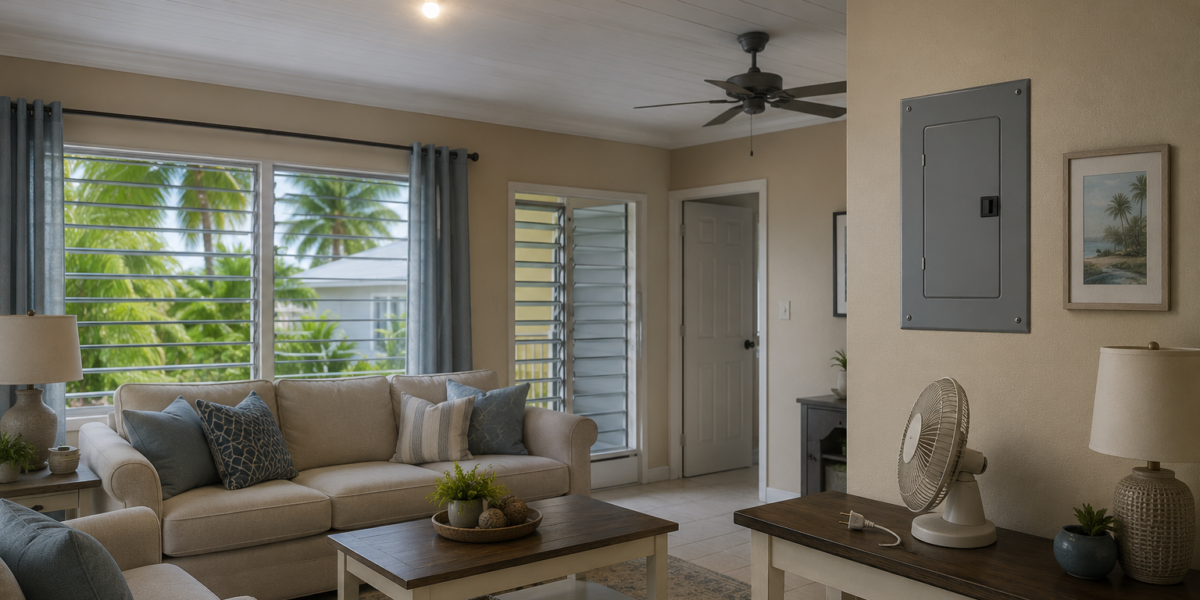
Buzzing from the electrical panel should also be inspected. The panel controls several important parts of your home’s system. Never remove the panel cover without proper training. The electrical current inside can cause severe injury.
Warm Outlets and Switches Need Attention
A warm outlet may seem like a small concern, especially in Jamaica’s naturally warm climate. However, electrical heat can indicate trouble. Switches and outlets should not feel unusually hot during normal use. Heat can result from loose connections, overloads, or damaged wiring.
A dimmer switch may feel slightly warm because it controls electrical energy differently. Still, it should never feel painfully hot. Discoloured plastic is another important warning sign. Brown marks, melting, or dark patches can indicate overheating.
You may also notice a burnt smell near the outlet. This smell should never be ignored or covered with air freshener. Unplug devices only when doing so appears safe. Do not touch damaged plastic, exposed wires, or sparking components. Turn off the circuit if you can reach the breaker panel safely. Keep everyone away from the affected area.
Call an expert electrician as soon as possible. Heat can damage hidden wiring before visible signs become obvious. Home repairs involving overheated electrical parts should never become casual experiments. Your safety matters more than finishing the job yourself.
Breakers That Keep Tripping
Circuit breakers protect your home by stopping electricity when something becomes unsafe. A tripped breaker is often doing its job correctly. You may trip a breaker after using several high-powered appliances together. For example, a kettle and microwave may overload one circuit. Unplug some devices before resetting the breaker once. If it remains on, the circuit may have been temporarily overloaded.
Never keep resetting a breaker that trips repeatedly. Repeated tripping suggests an unresolved electrical problem. The cause could be an overloaded circuit, faulty appliance, short circuit, or ground fault. Each problem requires a different response. Notice which devices were operating before the breaker tripped. This information can help your electrician identify the likely source.
Do not tape the breaker in place or force it to remain on. That dangerous shortcut removes an important layer of protection. A breaker that feels hot, smells burnt, or makes noise needs urgent attention. Avoid touching it more than necessary.
If the whole panel appears affected, leave the area and seek professional help. An electrician can inspect it using suitable safety equipment.
Burning Smells, Smoke, and Sparks
Burning smells can travel through walls and make the source difficult to identify. An electrical smell may resemble hot plastic or burnt rubber. You may notice the smell near an outlet, fixture, appliance, or panel. Treat it as an urgent warning sign.
Smoke or visible sparks require an immediate response. Move away from the affected area and keep other people clear.
If you can safely disconnect power, use the appropriate breaker. Never step through water or touch damaged equipment. Do not throw water onto an electrical fire. Water can carry electricity and create another serious danger.
Use a suitable fire extinguisher only if you know how. Your personal safety should always come before protecting property. Contact emergency services when there is fire, smoke, or immediate danger. Arrange a professional electrical inspection before restoring power.
Stop using an outlet if it produces repeated, large, or noisy sparks. Keep your distance and arrange a professional inspection. A sparking outlet may contain loose contacts or damaged parts. Do not use it until an expert examines the problem.
Warning Signs Hidden in Plain Sight
Some electrical warning signs are less dramatic than sparks or smoke. They can quietly appear during your normal routine. An outlet may stop working without tripping an obvious breaker. This could indicate a failed outlet or loose connection.
Lights may become unusually bright before suddenly dimming. That pattern can suggest unstable voltage or another supply issue. You may receive small shocks when touching appliances or switches. Even a mild tingling feeling should be taken seriously. Electricity should remain inside the wiring and equipment. If you can feel it, something may be wrong.
Frequent bulb failure is another useful clue. Bulbs can fail early because of excessive heat, vibration, or voltage problems. You might also notice a fishy smell without any fish nearby. Some overheated electrical materials can produce an unusual odour.
Rodents can damage hidden wiring inside ceilings and walls. Chewed insulation can expose wires and increase electrical risks. Moisture can also enter fixtures, outlets, or outdoor connections. This problem deserves particular attention after heavy rain or leaking plumbing.
Safe Checks You Can Make Yourself
You can perform several simple observations without opening outlets or touching wires. Begin by noting which lights or devices are affected.
Check whether the bulb is the correct wattage for the fixture. Using an unsuitable bulb can create excessive heat.
Look for visible damage on plugs and power cords. Cracks, exposed wires, and bent prongs mean the item needs attention.
Check whether extension cords are hidden beneath rugs or furniture. Trapped heat and physical pressure can damage the cord.
Avoid connecting several power strips together. This practice can overload outlets and create a confusing tangle of risks.
Test another appliance only when the outlet looks completely normal. Stop immediately if you notice heat, sparks, or unusual sounds.
You can also write down when the problem happens. Include the time, weather, appliances running, and rooms affected. Photographs of visible damage may help the electrician prepare. Never move closer simply to capture a better image. Your role is to observe and report safely. Leave testing, dismantling, and rewiring to trained professionals.
When You Should Call an Electrician
You should call an electrician when flickering continues after replacing the bulb. Repeated problems usually need more than a simple household fix.
You also need help when several rooms experience dimming or flickering. The issue may affect a larger part of your system. Call promptly for hot outlets, burning smells, buzzing panels, repeated breaker trips, or damaged wiring. These signs can indicate serious electrical trouble.
Water near outlets or wiring creates another urgent situation. Keep your distance and disconnect power only when safe. Never touch breakers, outlets, or electrical equipment with wet hands. You should also avoid electrical components while standing in water.
You should never attempt complicated electrical home repairs after watching one short video. Confidence is useful, but training and equipment matter. A qualified electrician can inspect connections, circuits, fixtures, and protective devices. Proper testing helps identify the actual cause.
Guessing can lead to unnecessary repairs. It can also leave the original danger hidden behind a newly installed fixture. In parts of Jamaica, storms and moisture can place extra pressure on household electrical systems. Outdoor connections may need additional inspection. An expert can recommend repairs that match your home’s design and electrical needs. You can then make decisions with clearer information.
Finding the Right Electrical Expert in Jamaica
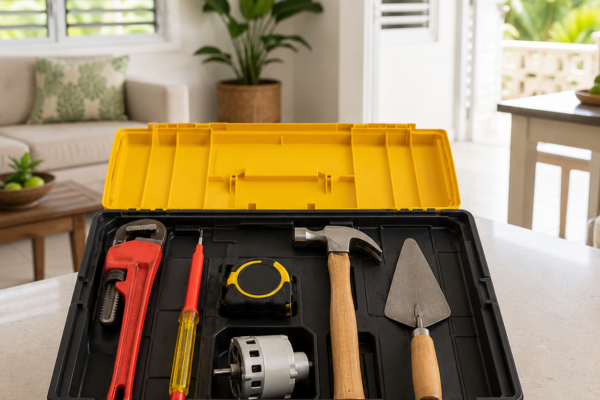
Choosing an electrician should involve more than finding someone who owns a toolbox. You want suitable experience, clear communication, and dependable service. Describe the problem before booking the visit. Mention flickering, noises, smells, heat, tripped breakers, and affected rooms.
Ask whether the electrician handles your type of problem. Some experts focus on residential repairs, installations, inspections, or commercial systems. Request an explanation of possible charges. These may include inspection, labour, materials, transportation, and emergency service fees.You should also ask when the electrician can attend. Urgent electrical concerns may require faster support than routine installations.
When you search for home repair services in Jamaica, look beyond catchy advertisements and unusually low prices. Safety and competence deserve careful consideration. ConnectToPros.com can help you explore electricians and other service providers in Jamaica. You can review available information and search by relevant categories.
The platform offers a convenient starting point when you need help. You remain in control of comparing options and choosing your preferred expert.
Preparing for the Electrician’s Visit
Clear furniture and personal belongings from the affected area. Easy access can help the electrician inspect the problem more efficiently.
Keep children and pets away from electrical equipment and tools. Curious hands and paws can create unnecessary complications.
Gather details about previous repairs or upgrades. Old invoices, panel information, and appliance manuals may provide useful background.
Write down every warning sign you noticed. Small details can help connect flickering lights with another electrical event.
Do not hide temporary fixes from the electrician. That creative extension cord arrangement may explain more than you realize.
Ask what caused the problem and how it was corrected. Understanding the repair can help you prevent similar trouble.
Request any relevant documentation after the work. Keep invoices, recommendations, and warranty details with your household records.
You can also ask whether other components need attention. A focused repair may reveal broader maintenance needs.
Keep Your Home Bright and Safe
Electrical problems are easier to manage when you notice them early. Your lights should brighten your home, not create suspense.
Replace damaged cords and stop overloading outlets. Keep electrical equipment dry and inspect outdoor connections after severe weather.
Pay attention to changes in brightness, sound, smell, and temperature. Your senses can reveal problems before a complete failure occurs.
Never ignore repeated warning signs because the electricity still works. A functioning outlet can still contain a dangerous connection.
Regular maintenance can help older systems remain dependable. It also gives you time to plan repairs before an urgent breakdown.
When electrical trouble exceeds your knowledge, choose safety and contact a qualified professional. Explore electricians on ConnectToPros.com and compare service providers serving communities across Jamaica.
You do not need to live with flickering lights and mysterious buzzing. Get the problem checked, then enjoy your home without unexpected special effects.
Helpful Electrical Safety Resources
For additional guidance, visit the JPS Storm Centre and the Electrical Safety Foundation International.